

Heat Pumps are the future of home heating and cooling.
Installing a cold climate heat pump helps you:
- Transition to clean energy.
- Reduce your carbon emissions.
- Improve your air quality, home safety, and home comfort.
- Reduce your energy use.
- Shift to the next gen technology for smart, connected heating and cooling.
Most homeowners install one of the common types of heat pumps shown below:
Ground source
‘Geothermal’
heat pump
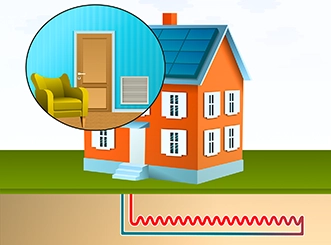
Mostly for rural or large lot properties.
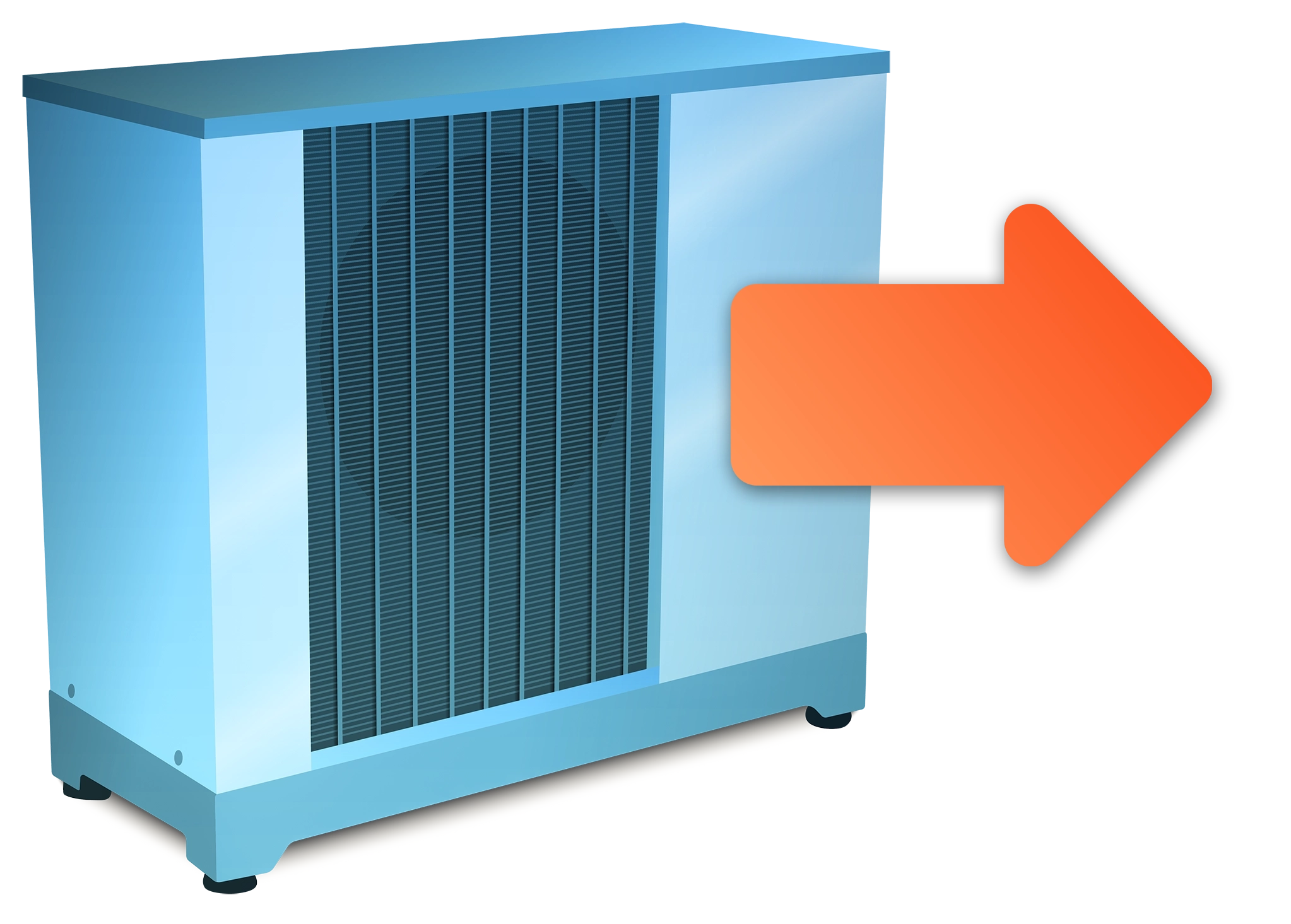
Ducted cold climate air source heat pump
(ccASHP)
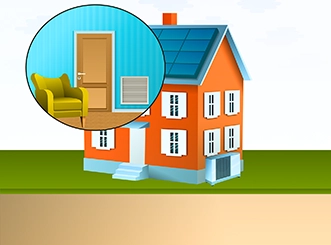
Mostly for homes with ductwork — can have natural (fossil) gas or electric backup.
most homes in Waterloo Region
Ductless cold climate air source heat pump
(“mini-spit” ccASHP)
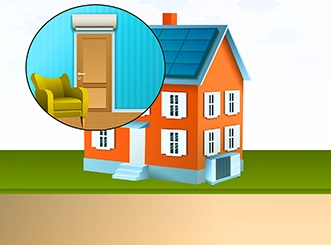
Mostly for homes with no ductwork.
There are heat pumps for other scenarios as well: air-to-water for homes with radiators, window box, or single ‘mini-split’ header heat pumps for small spaces and more. Ask us for more information if this is relevant for you.
FAQs about heat pumps and what our homeowners said:
Why buy a heat pump?
We'll let our homeowners speak to that.
“I wanted to try to cut down on fossil fuel consumption, greenhouse gas emissions and this seemed like one of the easiest ways to do it.”
— Dean P.
“I was very interested in emissions reduction and cost reduction, mostly.”
— Jinnean B.
“…the best solution that we have for decarbonizing buildings is heat pumps.”
— Heather M.
“…we want to do whatever we can in terms of the future of our children and our grandchildren. We want to leave them a planet that is livable and is not, suffering environmental crises. We're only one family in one home but, you know, if everybody does this type of thing, it's important.”
— Tom K.
“We thought a lot about the world our grandkids would be inheriting.”
— Neil and Linda L.
“The thought was could we build a house that's more sustainable? …could we actually build a house, for example, that generates more energy than it uses?”
— Kevin T.
“I thought maybe there's a small step that I could take to reduce use of fossil fuels in my home's life.”
— Paul B.
“…three years ago, there was a part on [my furnace] that went out and couldn't be replaced. I thought, well, there's no point in putting in a 15 year or 20 year furnace at this point when I know better.”
— Sandra B.
“I was very motivated to get off of fossil fuels…once you start to follow the news, you realize how much of a significant problem [the climate crisis] is.”
— Bridget L.
Do they work in our cold Canadian climate?
Yes! Modern cold climate heat pumps are designed to work down to -25°C or -30°C.
• An all-electric heat pump also has supplemental electric heating for the few extremely cold nights we may experience in a year.
• Not ready to go all electric yet? Heat pumps paired with a gas furnace can switch over to gas when you want them to, based on the type of equipment you choose and your preferences. See more on this below.
In Canada, heat pump adoption in Atlantic Provinces ranges from 20-50%! And they are used successfully in other cold climate countries as well. Heat pumps are used in:
• Two thirds of homes in Norway
• Almost half oh homes in Sweden and Finland
In fact, heat pumps are a key part of the shift to clean energy across the globe. For Waterloo Region this means shifting from mostly imported fossil fuels from the U.S. to mostly clean Canadian energy!
How does the backup heat source work with a heat pump?
Most homes within Waterloo Region currently use fossil gas for heat and electricity for air conditioning. Most homes also have ductwork that a heat pump can use for both heating and cooling.
• An all-electric heat pump that uses existing ductwork will have heat strips that are used during a heat pump’s defrost cycle. These strips are also used to add some extra heat (on top of what the heat pump is still providing) during extremely cold spells. How much they are used depends on outdoor temperature, how drafty your house is, the performance ratings for your heat pump and your preferences. Your HVAC provider can help you understand your options so that you can make a choice that best suits your needs. (see next page for resources.)
• Some people choose to keep a gas furnace but reduce their use of gas by adding a heat pump. The heat pump handles all of your home’s cooling in the summer as well as heating during the shoulder seasons. In this case, you and/or your HVAC contractor, will set a temperature, at which your heat pump will turn off and your gas will turn on.
• Ground source heat pumps typically have heat strips, similar to a ducted air source heat pump. “Mini-splits” (ie. ductless cold climate air source heat pumps) typically don’t have heat strips but still have great performance in cold weather.
Are they noisy?
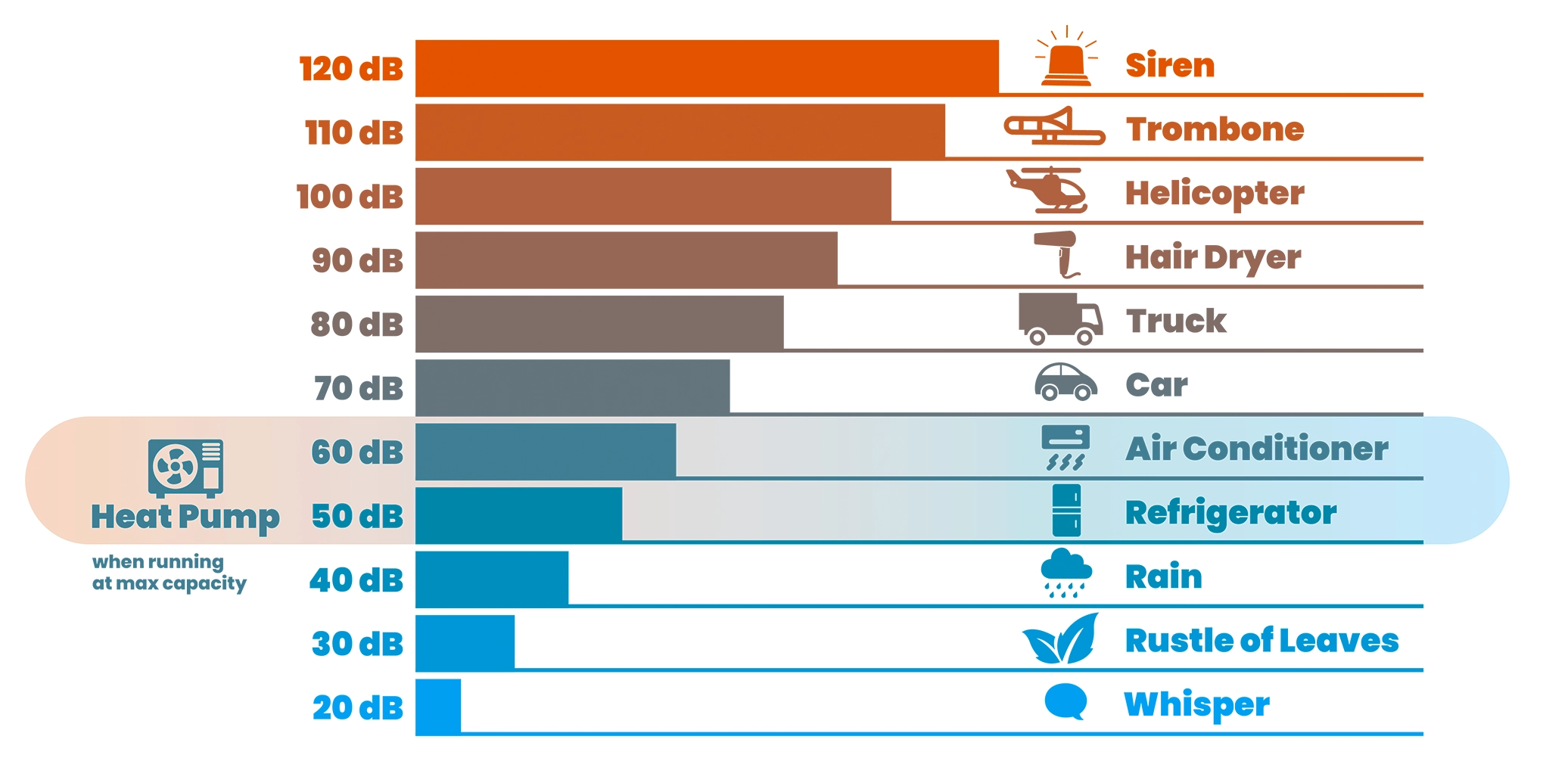
• Modern cold climate heat pumps that have been sized properly and installed properly are quiet. The decibel ratings are part of the specifications and show the sound level when the outdoor unit of the heat pump is running at its maximum capacity. (ie. when it is very cold outside.) The sound level is similar to a typical air conditioner.
What about costs?
For a ducted cold climate heat pump, the upfront costs tend to be a little higher than the costs of simply replacing a furnace and air conditioner. But you are getting superior equipment, better energy efficiency, better air quality and humidity control, increased safety, improved home comfort and no carbon pollution (aside from some carbon pollution in our, mostly clean, electricity grid.)
Rebates and financing options may also be available. Ask your HVAC contractor about current options and eligibility.
Monthly utility bills are about the same as natural (fossil) gas. You may save a bit or spend a bit more depending on your home, the weather, changing utility costs over time and other factors; higher electricity rates are largely compensated for by the higher efficiency of the heat pump.
If you are coming from oil, propane or electric baseboard heating, switching to a heat pump will lower your energy costs in the vast majority of cases.
You can get a rough idea using a cost calculator like the ones below, and a more specific sense of cost, that is based on your home characteristics and your desired solution, during the HVAC evaluation process.
How heat pumps pay off — Comparing heating and cooling options across Canada*
*be sure to check out the results with the ‘without gas for other household use’ as well to see the impacts of full electrification.
Toronto Hydro — Heat Pump Calculator
Jouleia — Heat Pump Calculator
A ground source heat pump will have a much higher upfront cost but will save you money over the lifetime of the system. A “mini-split” system is likely to reduce your energy costs if you are coming from electric heating because heat pumps are 2–4x more energy efficient.
On the next page…
What is the process for selecting a heat pump?
How do I find a good contractor?
And what other changes might I consider?
Contact Us
Ask a question, send us your comments and join our mailing list below.
About Get Pumped Waterloo Region