

Ready to consider a heat pump?
- Plan ahead.
- Contact an HVAC contractor with good heat pump experience.
- Schedule a free home assessment and get quotes.
- Pick your solution and ENJOY!
Ready to consider a heat pump?
1
Plan ahead! Don’t wait for your furnace or air conditioner to die unexpectedly.
Whether you are considering a heat pump in the near term or want to get a quote early for budgeting purposes, it’s not too early to get a free size assessment and proposal from an experienced HVAC contractor. It takes a little longer to switch to a heat pump because you are upgrading to new technology and fitting it to your existing home. Some tweaks may need to be made. You may also need, or want, to make some additional changes to your home at the same time to maximize comfort, performance and other benefits.
When to install a heat pump:
• when replacing an old furnace and/or air conditioning unit.
• when adding air conditioning.
• anytime — particularly if reducing carbon pollution is your goal — you can add a heat pump to reduce or eliminate use of your gas furnace and replace your existing air conditioner (if applicable) at the same time.
2
Look for an HVAC contractor with good experience and knowledge about heat pumps and make sure they know what you want.
Some local HVAC contractors with a lot of heat pump experience
• Reitzel Heating & Air Conditioning
Other sources of local experienced heat pump contractors

Red Flags
• Choosing equipment size based on a rule of thumb, or skipping the sizing process entirely.
• Failing to measure ductwork.
• Failing to discuss problems you may be having and how to solve them.
• Redirecting you to gas furnaces with common heat pump myths like They don’t work below freezing, They’re unreliable, or You always need a gas furnace for backup heat.
• Trying to win the job solely on price. This is a sign that they are in the race to the bottom and are cutting corners with inexperienced labour, cheap equipment, or excluding important add-ons like high efficiency filtration.

Green Flags
• Assessing your home’s heating and cooling requirements and properly sizing your heat pump.
• Measuring ductwork size and airflow.
• Asking about your home comfort experience and needs.
• Listening to what you want and providing accurate information about performance, options, and costs.
• Helping you assess the best value for money with options that will achieve the desired outcomes. They are informed about any financial incentives and may even help you receive them.
Red Flags
Green Flags
• Choosing equipment size based on a rule of thumb, or skipping the sizing process entirely.
• Assessing your home’s heating and cooling requirements and properly sizing your heat pump.
• Failing to measure ductwork.
• Measuring ductwork size and airflow.
• Failing to discuss problems you may be having and how to solve them.
• Asking about your home comfort experience and needs.
• Redirecting you to gas furnaces with common heat pump myths like They don’t work below freezing, They’re unreliable, or You always need a gas furnace for backup heat.
• Listening to what you want and providing accurate information about performance, options, and costs.
• Trying to win the job solely on price. This is a sign that they are in the race to the bottom and are cutting corners with inexperienced labour, cheap equipment, or excluding important add-ons like high efficiency filtration.
• Helping you assess the best value for money with options that will achieve the desired outcomes. They are informed about any financial incentives and may even help you receive them.
Adapted from: Andrew Tozer, Feel-Good Homes: How to choose the right heat pump for a comfortable, healthy, sustainable home. Chapter 2: The difference between good and bad contractors.
3
Schedule a free heat pump sizing appointment with one or a few experienced contractors, get quotes and select your solution.
Why do you need an assessment?
• your HVAC contractor will need to determine the right heat pump size based on your home characteristics to optimize performance and decrease costs.
• your HVAC contractor can tell you if you will need to make any other adjustments (e.g. electrical upgrade, ductwork adjustments) – particularly if you are going all electric.
4
Select your solution and contractor, schedule your installation and enjoy your new clean energy and comfortable home!
Other things you might want to consider

The future of home energy and comfort is smart, connected, efficient, affordable and electric. It may take a multi-year plan to get there, but the journey will be worth it!

Energy audit — Homes are not all the same and homeowners have different priorities and requirements for their homes. Getting an energy audit can help you prioritize your energy, emissions, and home comfort goals by telling you whether, and how much, specific changes to your home (like adding insulation) would help you achieve your goals and decrease energy costs.

Reducing energy use — If your home is particularly drafty, there are upgrades you can make to decrease leakiness that will improve comfort and reduce energy use and, therefore, cost.
Some upgrades may be small, like adding attic insulation or air sealing doors and windows, and some may be more involved, like upgrading to new windows and doors or improving wall insulation.
Newer homes are less likely to need these improvements because they have tighter building envelopes and are more energy efficient already.
An audit will tell you whether upgrades are recommended for your home, and the impact of specific upgrades on energy use, carbon emissions, comfort and heating/cooling requirements.
You can also reduce energy use and/or cost, for example, by switching to Energy Star appliances, changing your energy use habits and changing your Time of Use plan to optimize cost savings.

Electrifying appliances — If you are on a journey to get off gas completely this helpful resource can guide you. Getting off gas will mean better indoor air quality, reduced carbon pollution and better energy efficiency! You will also save on the monthly gas delivery fee that adds up to a few hundred dollars per year.
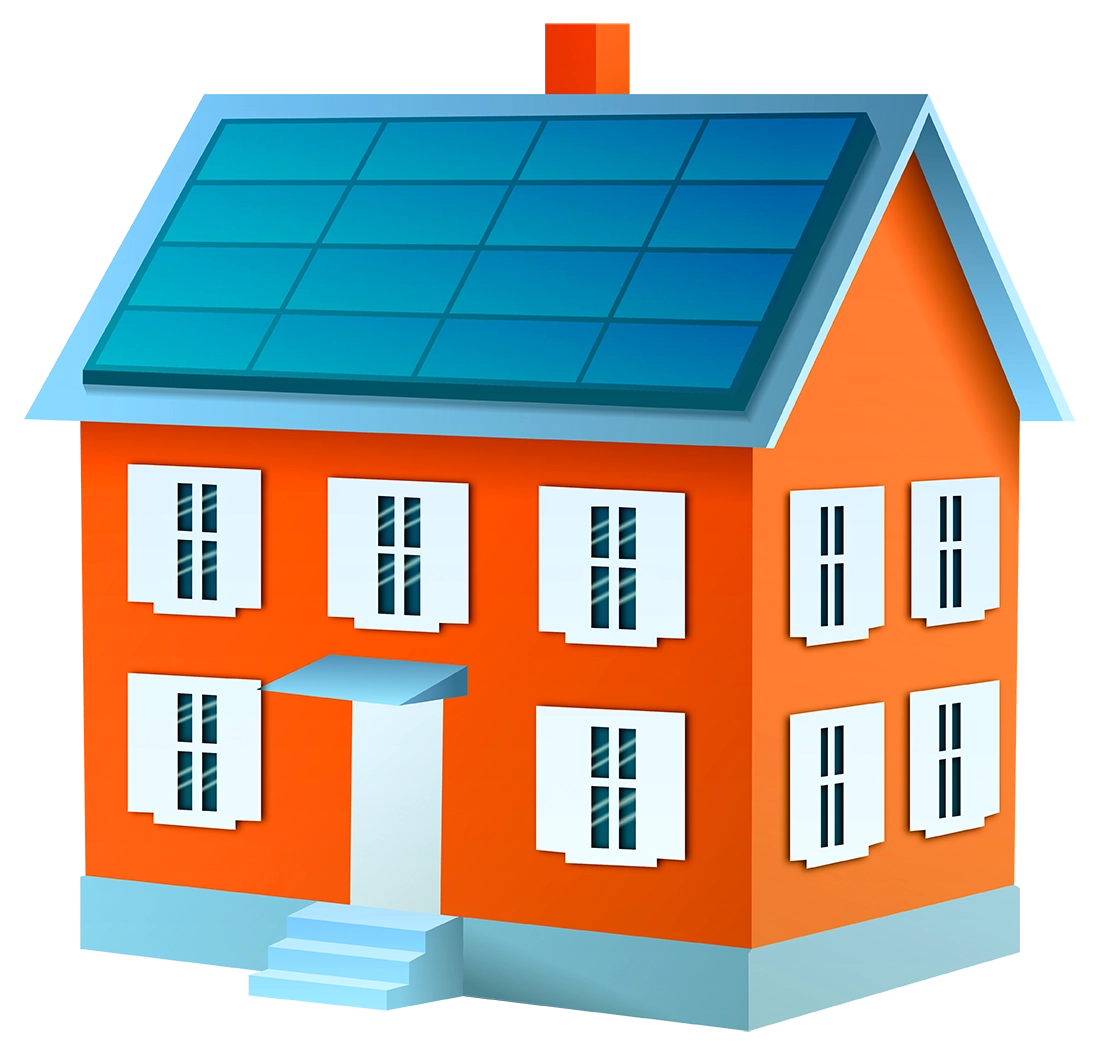
Renewable energy — Adding solar is a fantastic way to reduce your energy costs and reliance on the electricity grid. Most urban solar installations use net metering, which means that you use solar directly when it is available, send any excess you create back to the grid and get credit for it, and then use that credit during the winter when you don’t generate enough solar power to cover all of your energy needs.

EV — Transportation is another significant source of household emissions. Electric vehicles (EVs) use (mostly) clean Ontario electricity and the operational electricity costs of EVs are typically half that of gasoline.
Overall the lifetime costs of EVs are less than that of gasoline cars so if you can afford or finance the upfront cost, you will save money over time.
Charging at home (with a regular outlet or a level 2 charger) is extremely convenient, and you will be reducing carbon and other forms of air pollution.
Contact Us
Ask a question, send us your comments and join our mailing list below.
About Get Pumped Waterloo Region